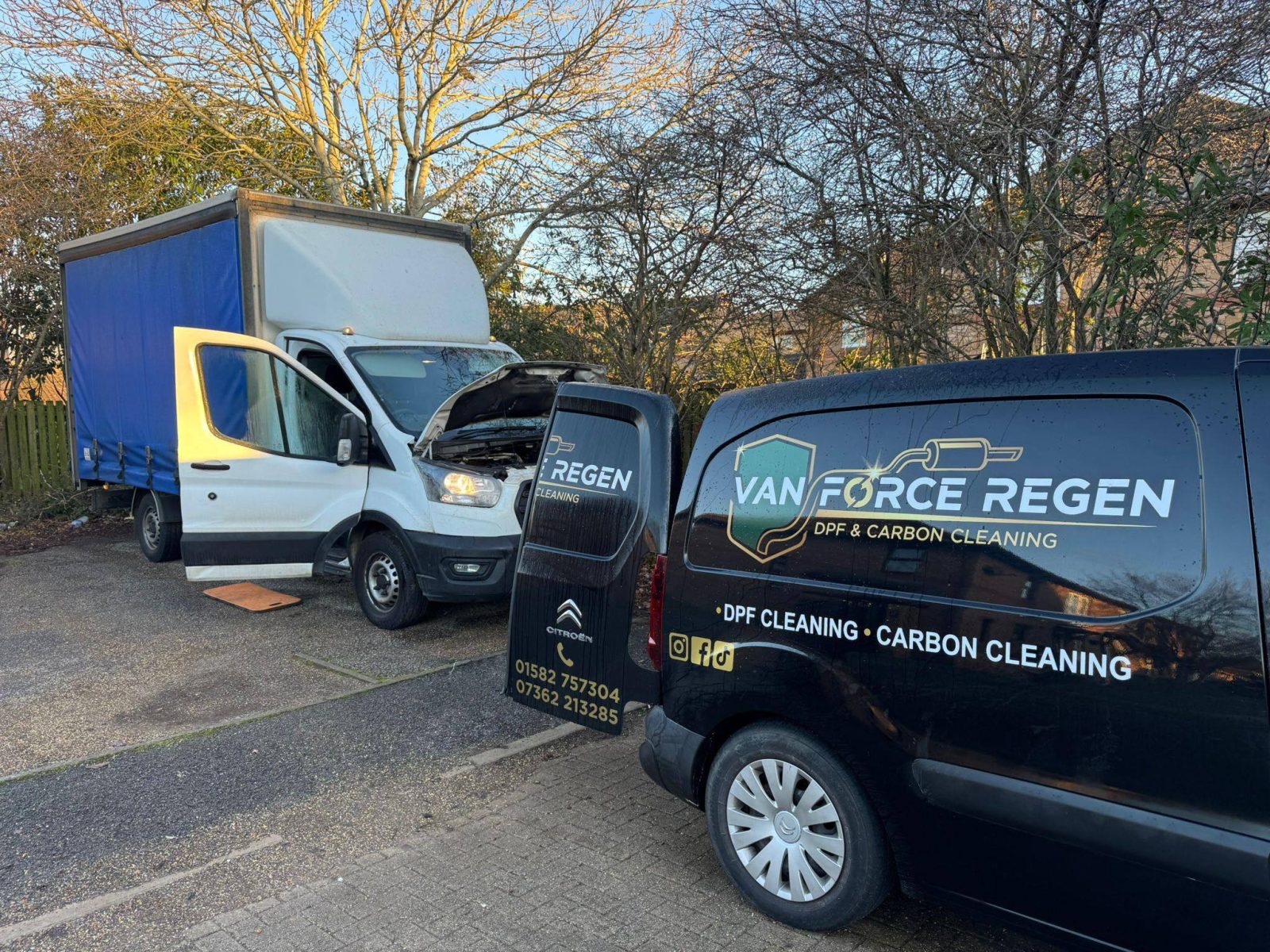

For van operators across the UK, whether you’re a sole trader, courier, or fleet manager, keeping vehicles reliable and roadworthy is essential. One of the most common and expensive problems affecting modern diesel vans is a blocked Diesel Particulate Filter (DPF). While many operators see DPF issues as unavoidable, regular DPF cleaning can significantly reduce long-term operating costs.
Understanding how preventative maintenance protects your vans helps avoid unexpected breakdowns, lost working hours, and major repair bills.
Why Vans Are More Prone to DPF Problems
The DPF is designed to capture soot particles from diesel exhaust gases and reduce harmful emissions. Over time, this soot needs to be burned off during regeneration. However, vans often struggle with this process due to their typical usage patterns.
Most vans operate with:
- Short journeys
- Stop-start urban driving
- Heavy loads
- Long idling periods
These conditions prevent the exhaust system from reaching the temperatures required for effective regeneration, leading to soot build-up and blockages that require professional DPF cleaning services.
The Hidden Cost of Ignoring Early DPF Issues
Many van operators wait until a warning light appears or the vehicle enters limp mode before taking action. Unfortunately, this approach almost always costs more.
Ignoring early DPF symptoms can lead to:
- Reduced engine power and poor fuel economy
- Unexpected downtime and missed jobs
- Expensive diagnostics and labour costs
- Damage to turbochargers and EGR valves
Left untreated, blockages can result in the need for diesel particulate filter replacement, which is far more costly than routine maintenance.
How Regular DPF Cleaning Prevents Expensive Repairs
Routine cleaning removes soot and ash before they harden and restrict exhaust flow. This reduces stress on key engine components and prevents secondary failures.
A professional DPF particulate filter cleaner restores airflow through the exhaust system, helping the engine operate efficiently and reducing the risk of knock-on damage.
Preventative cleaning is a fraction of the cost of repairing or replacing major exhaust components.
Reduced Downtime Keeps Vans Earning
Every hour a van is off the road costs money. Emergency breakdowns disrupt schedules, delay deliveries, and damage customer relationships.
Regular DPF maintenance allows operators to:
- Plan servicing around workloads
- Avoid sudden limp mode activation
- Keep vans operational during peak periods
Many operators choose a trusted DPF filter service center to schedule cleaning as part of routine vehicle maintenance.
Improved Fuel Efficiency Lowers Running Costs
A partially blocked DPF increases back pressure in the exhaust system, forcing the engine to work harder and burn more fuel.
With a clean filter:
- Exhaust gases flow freely
- Engine efficiency improves
- Fuel consumption stabilises
Over time, this leads to meaningful savings, especially for high-mileage vans.
MOT Compliance and Avoiding Penalties
In the UK, DPF-related issues are a common cause of MOT failures for diesel vans. A blocked or malfunctioning filter can lead to costly retests and vehicle downtime.
Regular cleaning helps ensure:
- Emissions remain within legal limits
- Vans pass MOT inspections more easily
- Operators avoid compliance-related fines
Many van owners search for DPF cleaning specialists near me ahead of MOT testing to prevent last-minute issues.
Extending the Lifespan of Commercial Vans
Vans are a major investment, and poor exhaust health can significantly shorten engine life. Carbon and soot build-up affect multiple systems beyond the DPF itself.
A scheduled DPF filter cleaning service supports long-term engine health, reduces wear on critical components, and helps maintain resale value.
Predictable Maintenance vs Emergency Repairs
Planned maintenance is always cheaper than emergency repairs. It also allows operators to budget accurately and avoid unexpected expenses.
By addressing DPF issues early, van operators benefit from:
- Fixed maintenance costs
- Fewer surprise repair bills
- Greater operational stability
This approach is especially valuable for small businesses and self-employed tradespeople.
Why Fleet Operators Benefit Even More
For fleet managers, the financial impact of DPF problems multiplies across multiple vehicles. One blocked van can disrupt schedules, several can affect entire operations.
Regular cleaning across fleets:
- Reduces overall maintenance costs
- Minimises downtime
- Improves service reliability
Fleet operators often look for a reliable DPF cleaning service near me to support consistent vehicle performance across all routes.
When Should Van Operators Book DPF Cleaning?
Most vans benefit from DPF cleaning:
- Every 12–18 months
- After repeated short journeys
- When fuel economy drops
- Before MOT testing
- At the first sign of warning lights
Acting early is always more cost-effective than waiting for a full blockage.
Regular DPF cleaning is not an unnecessary expense, it’s a smart financial decision for van operators. By preventing blockages, improving fuel efficiency, reducing downtime, and avoiding major repairs, proactive DPF maintenance delivers real cost savings.
For any business that relies on vans to operate, keeping the DPF clean means keeping vehicles reliable, compliant, and profitable, day in, day out.