If your van has started feeling sluggish, using more fuel than usual, or struggling when it’s loaded up, it may not be a serious mechanical fault straight away. In many cases, it’s caused by carbon build-up inside the engine, which is extremely common in modern diesel and petrol vans across the UK.
Whether you drive a work van daily, run a fleet, or use your van for deliveries, stop-start traffic, and short local journeys can lead to soot and carbon deposits over time. The good news? Professional engine carbon cleaning services can often restore performance and efficiency without the need for expensive repairs.
In this blog, we’ll break down the most obvious signs your van needs engine carbon cleaning, and why it’s better to act early instead of waiting for bigger problems later.
What Is Engine Carbon Build-Up?
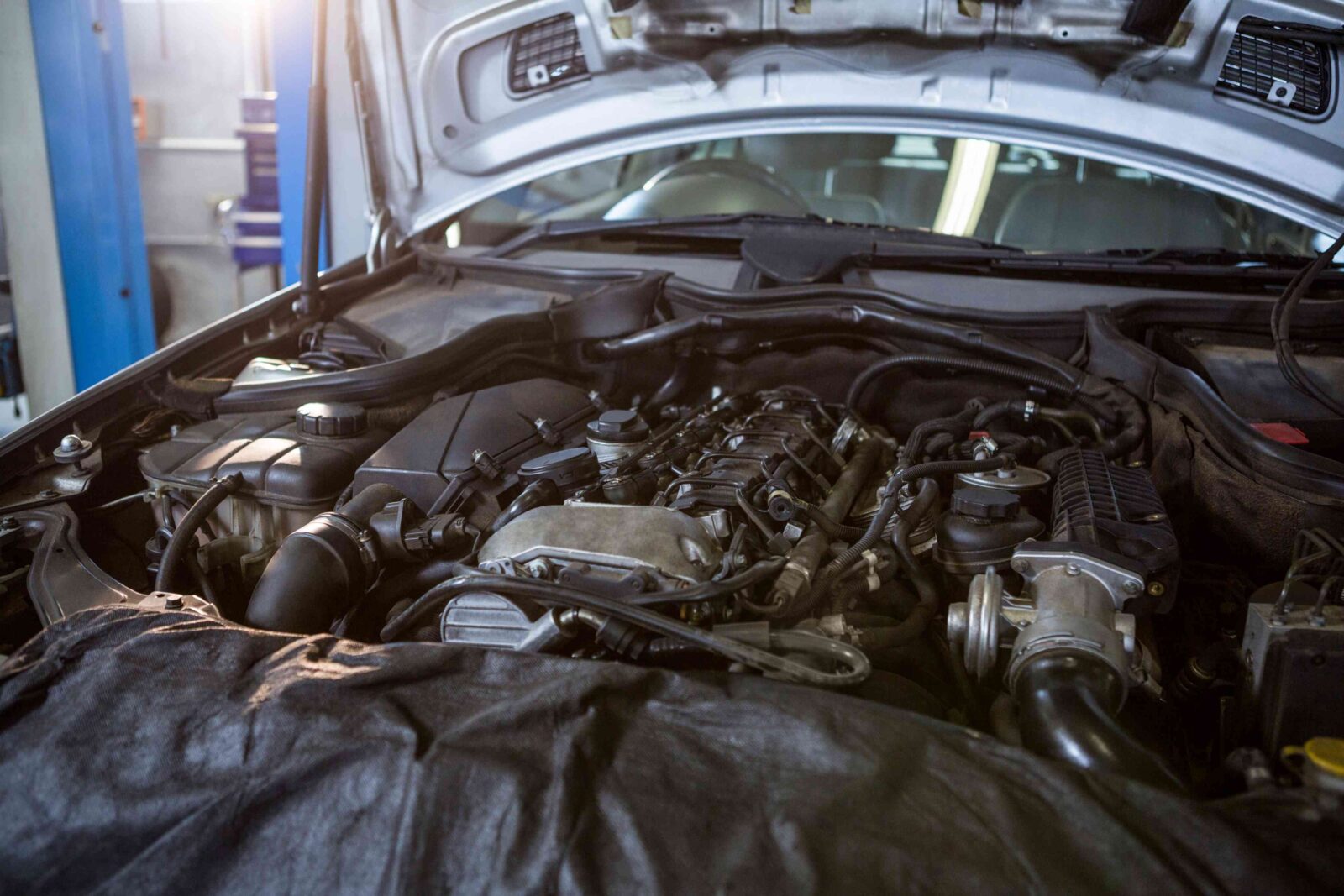
Carbon build-up happens when fuel doesn’t burn completely, and soot mixes with oil vapours and exhaust gases. Over time, deposits form inside the engine and intake system. These deposits commonly collect in areas such as:
- The EGR valve
- Intake manifold
- Turbo system
- Inlet valves
- Combustion chamber
Modern vans in the UK are especially prone to this because many are driven in low-speed traffic, idled on job sites, or used for short trips where the engine never gets hot enough for long enough.
This is exactly why many drivers search for an engine carbon cleaning service near me when the van starts showing signs of reduced performance.
1. Your Van Feels Sluggish or Underpowered
One of the first signs of carbon build-up is a noticeable drop in power. You might feel like:
- Your van is slower to respond
- Acceleration is weaker than normal
- It struggles up hills
- It feels heavy even when lightly loaded
Carbon deposits restrict airflow and affect combustion efficiency. If the engine can’t “breathe” properly, it can’t produce power effectively.
A proper engine decarbonization service can help remove these deposits and bring back smoother performance.
2. Your Fuel Economy Has Dropped
If you’ve noticed you’re filling up more often than before, carbon build-up may be contributing.
A carbon-coated intake system can cause inefficient burning, meaning your engine uses more fuel to do the same job. Over time, this leads to:
- Increased diesel usage
- Reduced miles per tank
- Higher running costs (especially for work vans and fleets)
With today’s fuel prices in the UK, even a small drop in MPG can have a big impact on your monthly costs.
Booking engine carbon cleaning services early can help improve efficiency and prevent further issues.
3. Excess Smoke from the Exhaust
If your van is producing visible smoke, particularly under acceleration, it shouldn’t be ignored. It’s one of the most common warning signs for carbon-related problems.
You may notice:
- Black Smoke (often linked to poor airflow or excess fuel burning)
- Grey Smoke (sometimes caused by intake issues or oil burning)
For many drivers, smoke is what pushes them to book a diesel engine carbon cleaning service before an MOT or before the issue gets worse.
Excess smoke can also create problems in emission-controlled areas and might even lead to MOT failure if left untreated.
4. Rough Idling or Strong Engine Vibrations
Your van should idle smoothly. If it starts running unevenly when stationary, carbon build-up can be part of the cause.
Common symptoms include:
- Rough idle
- Light shaking or vibration
- Uneven RPM (revs going up and down slightly)
- Feeling like the engine isn’t “settled”
Carbon build-up impacts combustion and airflow, which can lead to irregular engine performance at idle.
A professional engine carbon cleaning service near me can often improve smooth running, especially in vans that do frequent short trips.
5. Hesitation When Accelerating
If your van hesitates when you press the accelerator, or you feel a delay before it picks up speed, this could be due to restricted airflow or a dirty intake system.
You might notice:
- Delayed response when pulling away
- Uneven acceleration
- Sudden boost after a short lag
Carbon deposits can interfere with turbo performance and throttle response, especially in modern diesel engines used for deliveries, trade work, and city driving.
Carbon cleaning improves airflow, making acceleration feel smoother and more consistent.
6. Engine Warning Light Keeps Appearing
A warning light on your dashboard is a sign your van needs attention, even if it disappears later.
Carbon-related build-up can trigger fault codes linked to:
- EGR valve performance
- Airflow sensors
- Turbo pressure problems
- Intake restrictions
If you’ve had an engine light come on repeatedly, it may be worth getting a diagnostic scan and then booking engine carbon cleaning services to address the root cause, not just reset the warning.
7. Poor Pulling Power Under Load
Many vans don’t show symptoms clearly until they’re loaded up with tools, materials, or delivery stock.
You may notice:
- Struggling when fully loaded
- Difficulty maintaining speed on a motorway
- Weak performance when overtaking
- Reduced uphill pulling power
Carbon build-up reduces the engine’s efficiency, so it becomes more noticeable when the van is under extra stress.
8. Turbo Issues or Reduced Boost Performance
Most modern vans rely heavily on the turbo system for power. Carbon build-up can reduce boost performance and cause issues such as:
- Slower turbo response
- Reduced boost pressure
- Lack of acceleration at higher speeds
- The van feeling “flat” on the motorway
Carbon deposits don’t just affect the engine itself, they also impact the airflow that the turbo depends on.
A proper engine decarbonization service can help restore airflow and improve turbo performance.
9. EGR Valve Problems (Very Common in Diesel Vans)
The EGR valve is one of the most common parts affected by soot and carbon in diesel vans. It’s designed to control emissions, but it can clog up easily, especially with short journey driving.
Signs of EGR issues include:
- Engine running rough
- Power loss
- Increased smoke
- Poor MPG
- Warning lights or limp mode
This is why many van owners choose mobile carbon engine cleaning, especially when the van is needed daily and downtime must be kept to a minimum.
Carbon cleaning can reduce EGR clogging and improve drivability.
10. MOT Emissions Failure (or Borderline Pass)
If your van has failed an MOT emissions test, or nearly failed, carbon build-up could be a major reason.
Carbon deposits cause:
- Poor combustion
- Higher soot output
- More smoke
- Increased emission readings
For diesel vans especially, emissions issues can build up slowly over time until the MOT test reveals it.
Booking engine carbon cleaning services before an MOT can help improve emissions and reduce the risk of failure.
Why Vans in the UK Suffer More Carbon Build-Up
Carbon build-up is especially common in vans because of how they’re typically used, such as:
- Short delivery routes
- Stop-start driving in traffic
- Long periods of idling on job sites
- Frequent cold starts
- Urban driving in and around cities
Even if you use an engine carbon cleaner additive from time to time, it may only offer limited results. Additives can help in mild cases, but heavy build-up often needs professional attention.
A full engine decarbonization service goes deeper than basic products and helps remove stubborn deposits properly.
Should You Choose Mobile Carbon Engine Cleaning?
Many van owners now prefer mobile carbon engine cleaning because it’s convenient and reduces downtime. Instead of dropping your van off and waiting, mobile services can often come to your home or work location, depending on the provider.
A mobile option is ideal for:
- Tradespeople with daily bookings
- Couriers and delivery drivers
- Fleet managers
- Vans that can’t be off the road for long
If you’ve been searching for an engine carbon cleaning service near me, it’s worth checking whether mobile support is available in your area.
When Should You Book Engine Carbon Cleaning for Your Van?
If your van is showing any of the signs above, don’t delay. It’s always better to deal with carbon build-up early.
In general, carbon cleaning can be considered:
- Every 20,000–40,000 miles (depending on use)
- If you mostly drive short journeys
- If the van feels underpowered or smoky
- Before an MOT emissions check
- If warning lights keep coming back
Regular engine carbon cleaning services can help reduce future repair risks and keep your van running smoothly.
Time for Engine Carbon Cleaning Services
If your van is losing power, using more fuel than normal, hesitating under acceleration, or producing more smoke, there’s a good chance carbon build-up is affecting your engine’s performance. The sooner it’s addressed, the better the results.
While a basic engine carbon cleaner may help maintain the system in some cases, a professional diesel engine carbon cleaning service or complete engine decarbonization service is often the best option when the symptoms are already noticeable.
If you’re experiencing these issues, it may be time to search for an engine carbon cleaning service near me like Van Force Regen and get your van inspected before the problems turn into expensive repairs.